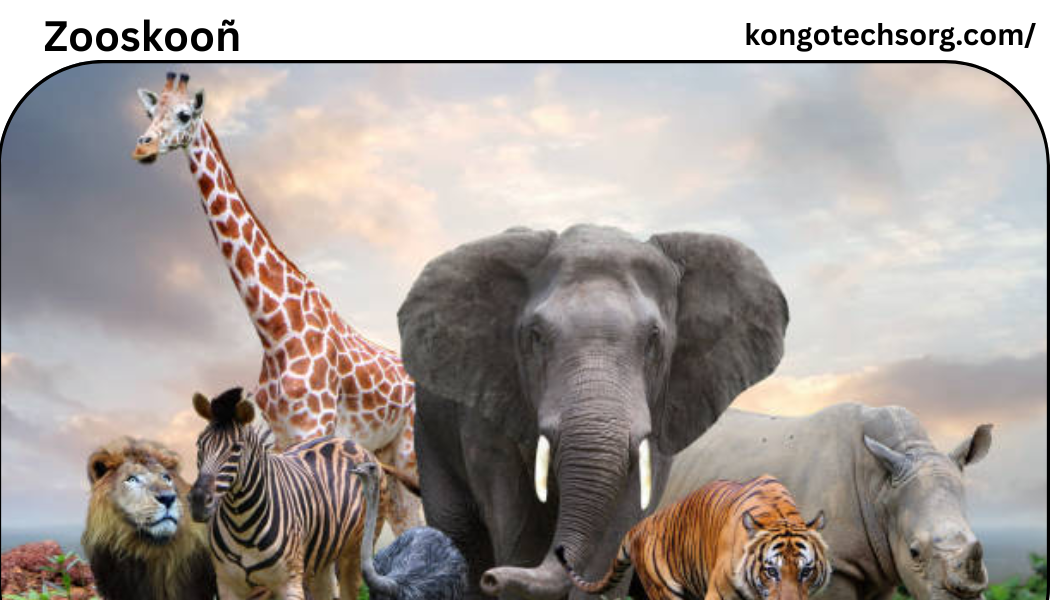
Zooskooñ: The Future of Sustainable Zoos, Wildlife Conservation, and Ethical Animal Care
Zoos have changed significantly over the past century. Once viewed mainly as places where people could see wild animals up close, modern zoos have become centers for wildlife conservation, scientific research, education, and animal welfare. As public expectations continue to evolve, new ideas are emerging to reshape how zoos operate. One of these emerging concepts is zooskooñ.
Although zooskooñ is still a relatively new and developing term, it is increasingly associated with a modern philosophy that combines sustainability, responsible zoo management, animal welfare, environmental education, and wildlife conservation into one comprehensive approach.
Rather than focusing only on displaying animals, zooskooñ encourages creating environments where animals can thrive physically and mentally while also helping visitors understand the importance of protecting biodiversity.
This article explores the meaning of zooskooñ, its core principles, practical applications, environmental impact, and why it represents an important direction for the future of zoological institutions. Instead of simply repeating information already available online, this guide provides deeper analysis, practical insights, and expert perspectives to help readers understand why zooskooñ matters in today’s world.
What Is Zooskooñ?
Zooskooñ is an emerging zoological concept centered on building sustainable, ethical, and conservation-focused zoos that prioritize animal welfare while supporting biodiversity, scientific research, environmental education, and long-term ecosystem protection.
Unlike traditional zoo models that focused mainly on entertainment, zooskooñ promotes a balanced relationship between humans, animals, and nature.
The concept emphasizes that every aspect of a zoo from enclosure design to visitor education—should contribute to conservation rather than simply attracting more guests.
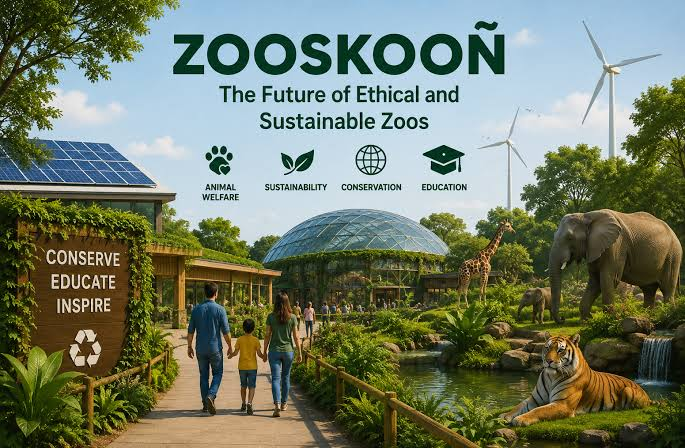
Although there is no universally accepted academic definition, most discussions surrounding zooskooñ share several common principles:
- Sustainable zoo operations
- Ethical treatment of animals
- Habitat conservation
- Wildlife protection
- Scientific research
- Public education
- Environmental responsibility
- Community involvement
These ideas collectively create a framework that encourages zoos to become active participants in global conservation efforts.
Why Zooskooñ Is Becoming More Important
The world faces growing environmental challenges.
Wildlife habitats continue to shrink because of:
- Deforestation
- Climate change
- Urban expansion
- Pollution
- Illegal wildlife trade
- Overexploitation of natural resources
Many animal species are now threatened with extinction.
Modern zoos increasingly recognize that simply housing animals is no longer enough.
People expect zoological institutions to actively contribute toward protecting endangered species and restoring ecosystems.
Zooskooñ reflects this changing expectation.
Instead of measuring success by visitor numbers alone, it encourages measuring success through conservation achievements, educational impact, and improved animal welfare.
The Evolution of Modern Zoos
Understanding zooskooñ requires understanding how zoos have evolved over time.
Early Zoos
Centuries ago, zoos primarily served as collections of exotic animals owned by royalty or wealthy individuals.
Animal welfare received very little attention.
Enclosures were often small and designed mainly for public viewing.
Traditional Public Zoos
As public zoos became more common, access improved.
However, many facilities still prioritized entertainment over conservation.
Animal exhibits often lacked natural environments.
Modern Conservation Zoos
During recent decades, many zoos transformed their missions.
Today, leading zoological institutions emphasize:
- Species conservation
- Veterinary medicine
- Breeding programs
- Wildlife rehabilitation
- Scientific research
- Public education
Zooskooñ builds upon this modern conservation model by integrating sustainability into every aspect of zoo management.
The Core Principles of Zooskooñ
Several principles define the philosophy behind zooskooñ.
Animal Welfare Comes First
Animals should experience environments that support both physical and psychological well-being.
This includes:
- Spacious habitats
- Natural landscapes
- Environmental enrichment
- Proper nutrition
- Veterinary care
- Social interaction where appropriate
Healthy animals are more likely to display natural behaviors, improving both welfare and educational value.
Conservation Before Entertainment
Entertainment alone should never be the primary purpose of a zoo.
Instead, every exhibit should contribute to broader conservation goals.
Visitors should leave with greater appreciation for wildlife and stronger motivation to protect natural ecosystems.
Environmental Sustainability
Zooskooñ encourages reducing environmental impact through sustainable operations.
Examples include:
- Renewable energy
- Water conservation
- Waste reduction
- Sustainable building materials
- Native landscaping
- Eco-friendly transportation
These practices help zoological institutions reduce their ecological footprint.
Education for Every Visitor
Education remains one of the strongest conservation tools.
Visitors who understand environmental challenges are more likely to support wildlife protection.
Interactive exhibits, educational programs, and conservation campaigns all contribute to this mission.
How Zooskooñ Improves Animal Welfare
Animal welfare has become one of the most discussed topics in zoology.
The zooskooñ approach views welfare as much more than providing food and shelter.
Natural Habitat Design
Modern enclosures increasingly resemble natural ecosystems.
Instead of concrete cages, animals benefit from:
- Trees
- Rivers
- Rocks
- Vegetation
- Climbing structures
- Natural hiding spaces
These environments encourage natural behaviors.
Behavioral Enrichment
Mental stimulation is essential.
Enrichment programs may include:
- Puzzle feeders
- Scent trails
- Toys
- Rotating environments
- Training exercises
- Social interaction
These activities reduce boredom while supporting psychological health.
Individualized Care
Every species—and often every individual animal—has unique needs.
Zooskooñ supports personalized healthcare plans based on:
- Age
- Species
- Medical history
- Behavioral patterns
- Reproductive needs
This customized approach improves long-term welfare.
Zooskooñ and Wildlife Conservation
Perhaps the most important aspect of zooskooñ is its conservation mission.
Rather than existing separately from nature, zoos become active partners in protecting wildlife populations.
Breeding Endangered Species
Captive breeding programs help preserve genetic diversity for threatened animals.
These programs sometimes support future reintroduction into protected habitats.
Habitat Restoration
Many modern zoos contribute funding toward restoring damaged ecosystems around the world.
Protecting habitats often benefits entire communities of plants and animals rather than individual species alone.
Supporting Field Research
Researchers study wildlife both inside zoos and in natural environments.
Knowledge gained through zoological research helps improve conservation strategies worldwide.
The Role of Sustainability in Zooskooñ
Sustainability extends far beyond recycling.
Within zooskooñ, sustainability influences every operational decision.
Energy Efficiency
Many zoological parks are investing in:
- Solar power
- LED lighting
- Smart energy systems
- Efficient heating and cooling
Reducing energy consumption lowers operating costs while protecting the environment.
Water Management
Water conservation includes:
- Rainwater collection
- Water recycling
- Efficient irrigation
- Natural filtration systems
These practices reduce pressure on local water resources.
Waste Reduction
Responsible waste management includes:
- Composting
- Recycling
- Reducing plastic use
- Sustainable food sourcing
Small operational improvements collectively create significant environmental benefits.
Zooskooñ and Environmental Education
Education transforms visitors into conservation supporters.
A family visiting a zoo may only spend one day there, but the knowledge gained can influence lifelong environmental attitudes.
Educational initiatives may include:
- Interactive exhibits
- Wildlife presentations
- School partnerships
- Digital learning platforms
- Conservation workshops
- Volunteer programs
Zooskooñ encourages making education engaging rather than passive.
Visitors learn through participation instead of simply reading information boards.
Technology’s Role in Zooskooñ
Technology continues transforming zoological management.
Several innovations support the principles of zooskooñ.
Animal Health Monitoring
Wearable sensors and monitoring systems help veterinarians detect health concerns earlier.
Continuous observation improves preventive care.
Artificial Intelligence
AI can analyze animal behavior patterns.
Researchers may identify stress indicators, feeding habits, or health changes more accurately.
Virtual Education
Digital experiences allow people worldwide to learn about conservation without physically visiting a zoo.
Virtual tours increase educational reach while reducing travel-related environmental impacts.
Community Involvement Through Zooskooñ
Successful conservation depends on public participation.
Zooskooñ encourages zoos to become community partners rather than isolated attractions.
Community involvement may include:
- Volunteer opportunities
- Local conservation projects
- Citizen science initiatives
- Environmental awareness campaigns
- School collaborations
- Public lectures
These partnerships strengthen conservation beyond zoo boundaries.
Benefits of the Zooskooñ Approach
Implementing zooskooñ provides advantages for multiple stakeholders.
For animals, it improves welfare and supports natural behaviors.
For visitors, it creates meaningful educational experiences.
For researchers, it expands opportunities to study wildlife.
For local communities, it encourages environmental responsibility.
For governments and conservation organizations, it strengthens biodiversity protection.
This broad impact explains why many experts believe integrated conservation models represent the future of zoological institutions.
Challenges Facing Zooskooñ
Despite its many advantages, implementing zooskooñ is not without challenges.
Building larger natural habitats often requires significant financial investment.
Maintaining advanced veterinary facilities can also increase operational costs.
Some endangered species have extremely specialized habitat requirements that are difficult to replicate in captivity.
Climate change introduces additional challenges by affecting both wild ecosystems and zoo management practices.
Finally, public expectations continue evolving, requiring zoological institutions to remain transparent, ethical, and scientifically accountable.
Successfully addressing these challenges requires collaboration among governments, conservation organizations, researchers, zoo professionals, and local communities.
Zooskooñ and Biodiversity Protection
Biodiversity is the foundation of healthy ecosystems. It includes every living organism, from large mammals and birds to insects, plants, fungi, and microorganisms. Each species plays an important role in maintaining ecological balance.
The philosophy of zooskooñ recognizes that protecting individual animals is only one part of conservation. Long-term success depends on protecting entire ecosystems where species naturally live.
Modern zoological institutions can support biodiversity by:
- Funding habitat restoration projects
- Protecting endangered plant species
- Supporting wildlife monitoring programs
- Collaborating with conservation organizations
- Raising awareness about threatened ecosystems
- Promoting responsible environmental practices
Instead of focusing only on animals inside zoo boundaries, zooskooñ encourages contributing to conservation efforts around the world.
Zooskooñ and Climate Change
Climate change has become one of the greatest threats to wildlife.
Rising temperatures, changing rainfall patterns, melting ice, stronger storms, and habitat loss affect thousands of species.
Zooskooñ recognizes that zoological institutions have an important role in addressing these challenges.
Modern zoos can reduce their environmental impact through:
Lower Carbon Emissions
Many facilities are replacing traditional energy systems with renewable sources such as solar and wind power.
Green Infrastructure
Buildings can be designed to improve energy efficiency while reducing waste and water consumption.
Climate Education
Visitors often learn more effectively when they see real examples of how climate change affects animals and habitats.
Educational exhibits can inspire people to make environmentally responsible choices.
Research and Scientific Contributions of Zooskooñ
Scientific research is an essential part of wildlife conservation.
Zoos operating under the principles of zooskooñ actively support research that benefits both captive and wild animal populations.
Research areas include:
- Animal nutrition
- Veterinary medicine
- Reproductive biology
- Behavioral science
- Genetics
- Disease prevention
- Wildlife rehabilitation
- Habitat conservation
The knowledge gained from these studies often helps conservation teams working directly in natural environments.
How Zooskooñ Supports Endangered Species Recovery
Many endangered animals face serious threats in the wild due to habitat destruction, illegal hunting, pollution, and climate change.
Zooskooñ supports carefully managed recovery programs through several approaches.
Conservation Breeding
Professional breeding programs help maintain healthy genetic diversity among endangered populations.
Species Reintroduction
When suitable habitats become available, some animals may be released back into protected natural environments under carefully planned conservation programs.
Emergency Rescue
Wildlife rescue centers associated with zoos often provide medical treatment for injured or illegally trafficked animals before rehabilitation.
These efforts help increase survival rates for vulnerable species.
The Importance of Ethical Zoo Management
Ethics form one of the strongest foundations of zooskooñ.
Every management decision should consider both animal welfare and conservation value.
Ethical zoo management includes:
- Respecting natural animal behaviors
- Providing excellent veterinary care
- Maintaining clean and safe habitats
- Avoiding unnecessary stress
- Supporting conservation instead of commercial exploitation
- Being transparent about animal care standards
Public trust grows when zoological institutions clearly demonstrate their commitment to ethical practices.
Zooskooñ and Visitor Experience
Visitors play a critical role in modern conservation.
A positive zoo experience should inspire curiosity, compassion, and environmental responsibility rather than simple entertainment.
Under the zooskooñ philosophy, visitors benefit from:
Interactive Learning
Hands-on exhibits help people understand wildlife conservation more effectively than passive displays.
Educational Programs
Schools, families, and community groups can participate in workshops that explain biodiversity, endangered species, and ecosystem protection.
Conservation Participation
Many zoos encourage visitors to support conservation through donations, volunteer work, or citizen science projects.
This creates a stronger connection between people and wildlife.
The Economic Value of Zooskooñ
Well-managed zoological institutions can contribute positively to local economies while supporting conservation.
Economic benefits include:
- Creating employment opportunities
- Supporting tourism
- Encouraging scientific research
- Promoting environmental education
- Partnering with local businesses
- Supporting conservation funding
When sustainability and responsible management remain priorities, these economic benefits can coexist with environmental protection.
Common Misunderstandings About Zooskooñ
Because zooskooñ is an emerging concept, several misconceptions exist.
It Is Not Just About Building Better Zoos
Although improved zoo facilities are important, the concept extends much further.
It includes conservation, sustainability, education, scientific research, and responsible environmental management.
It Does Not Replace Wildlife Conservation
Some people mistakenly believe zoos alone can save endangered species.
In reality, protecting natural habitats remains the highest conservation priority.
Zooskooñ supports both captive conservation and habitat preservation.
It Is Not Limited to Large Zoos
Smaller zoological parks, wildlife rehabilitation centers, aquariums, botanical gardens, and conservation organizations can also apply many of the principles associated with zooskooñ.
How Different Stakeholders Benefit from Zooskooñ
The success of zooskooñ depends on collaboration among many groups.
Animals
They receive improved welfare, healthier environments, and better veterinary care.
Visitors
They gain meaningful educational experiences that encourage environmental responsibility.
Scientists
Researchers gain valuable opportunities to study animal health, genetics, reproduction, and conservation.
Governments
Public agencies benefit from stronger conservation partnerships and increased environmental awareness.
Future Generations
Perhaps the greatest beneficiaries are future generations who may inherit healthier ecosystems and more stable wildlife populations.
Practical Ways Zoos Can Apply Zooskooñ
Turning the philosophy of zooskooñ into daily practice requires long-term commitment.
Examples include:
- Designing habitats that closely resemble natural ecosystems
- Reducing energy and water consumption
- Eliminating unnecessary plastic waste
- Expanding wildlife conservation partnerships
- Supporting international breeding programs
- Increasing transparency in animal welfare reporting
- Investing in staff training
- Offering educational programs for schools
- Using technology to improve animal healthcare
- Monitoring environmental performance every year
Each improvement strengthens both conservation outcomes and public confidence.
The Future of Zooskooñ
As environmental challenges continue growing, the principles behind zooskooñ are likely to become increasingly important.
Several global trends support this direction.
Greater Focus on Sustainability
Governments, businesses, and communities continue investing in sustainable practices across every sector.
Zoos are expected to contribute to these efforts.
Advances in Veterinary Medicine
Improved medical technology allows veterinarians to diagnose and treat animals more effectively than ever before.
Artificial Intelligence and Data Analysis
AI systems may help monitor animal health, predict behavioral changes, improve breeding programs, and optimize habitat management.
Global Conservation Partnerships
International cooperation between zoological institutions, universities, governments, and nonprofit organizations continues expanding.
This collaboration improves the protection of endangered species worldwide.
Growing Public Awareness
People increasingly expect organizations to demonstrate environmental responsibility.
Zoos that embrace the principles of zooskooñ are better positioned to meet these expectations.
Expert Perspective on Zooskooñ
Based on current discussions, zooskooñ should be understood as an evolving conservation philosophy rather than a formally standardized scientific model.
Its greatest strength lies in combining multiple priorities that were once treated separately. Instead of viewing conservation, education, sustainability, research, and animal welfare as independent goals, zooskooñ presents them as interconnected responsibilities.
This integrated approach reflects the direction many leading zoological institutions are already moving toward.
Although the terminology itself may continue evolving, the underlying principles remain highly relevant for the future of wildlife conservation.
Conclusion
Zooskooñ represents a modern vision for zoological institutions that extends far beyond traditional animal exhibitions. It encourages zoos to become active centers of conservation, education, sustainability, scientific research, and ethical animal care.
As biodiversity faces increasing threats from habitat loss, climate change, pollution, and illegal wildlife trade, the need for responsible conservation strategies has never been greater. Zooskooñ provides a practical framework that helps zoological institutions contribute meaningfully to protecting wildlife while educating millions of visitors each year.
Its emphasis on balancing environmental responsibility with animal welfare demonstrates that successful conservation requires collaboration, innovation, and continuous improvement.
Although zooskooñ is still an emerging concept, its principles closely reflect the future direction of modern zoology. By embracing sustainability, supporting endangered species, promoting education, and encouraging scientific research, zoological institutions can play an increasingly valuable role in protecting the natural world for generations to come.
Frequently Asked Questions About Zooskooñ
What does zooskooñ mean?
Zooskooñ refers to an emerging concept that combines sustainable zoo management, ethical animal welfare, wildlife conservation, environmental education, and scientific research into one integrated approach.
Is zooskooñ an officially recognized scientific term?
Currently, zooskooñ is best understood as an emerging concept rather than a formally standardized scientific term. Its principles are based on widely accepted conservation and sustainability practices.
How does zooskooñ improve animal welfare?
It encourages larger natural habitats, environmental enrichment, personalized veterinary care, behavioral monitoring, and ethical management practices that support both physical and mental well-being.
Can small zoos apply the principles of zooskooñ?
Yes. Even smaller zoological institutions can improve sustainability, expand educational programs, support conservation projects, and strengthen animal welfare standards.
How does zooskooñ benefit visitors?
Visitors gain better educational experiences, increased awareness of biodiversity, and a deeper understanding of conservation challenges and environmental responsibility.